OCR-to-Speech Use Cases: Consumer Trends and Research Insights
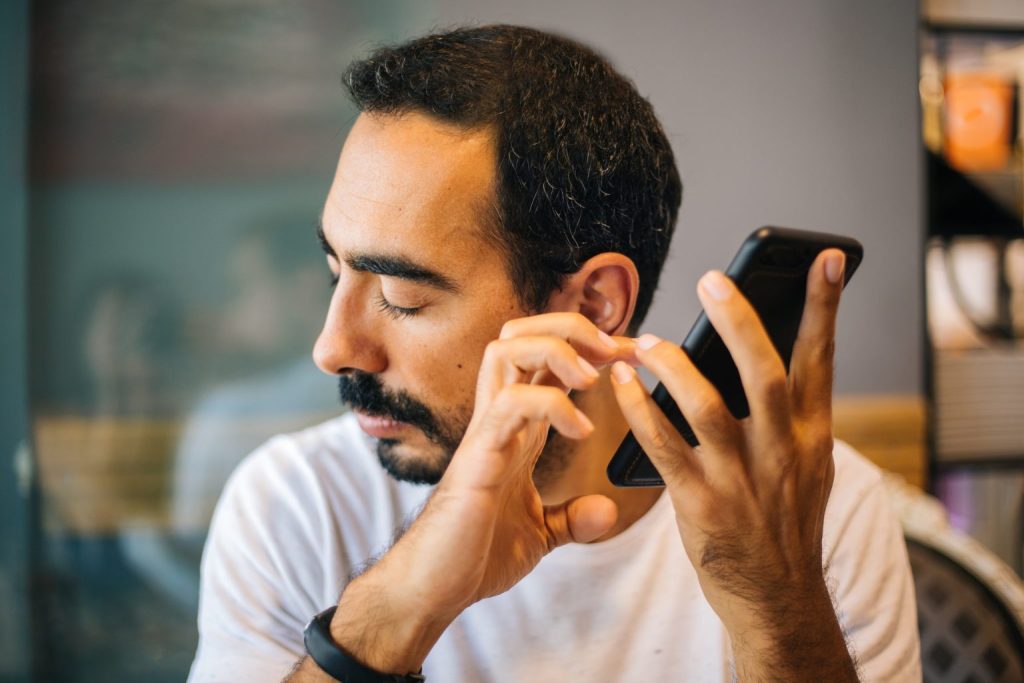
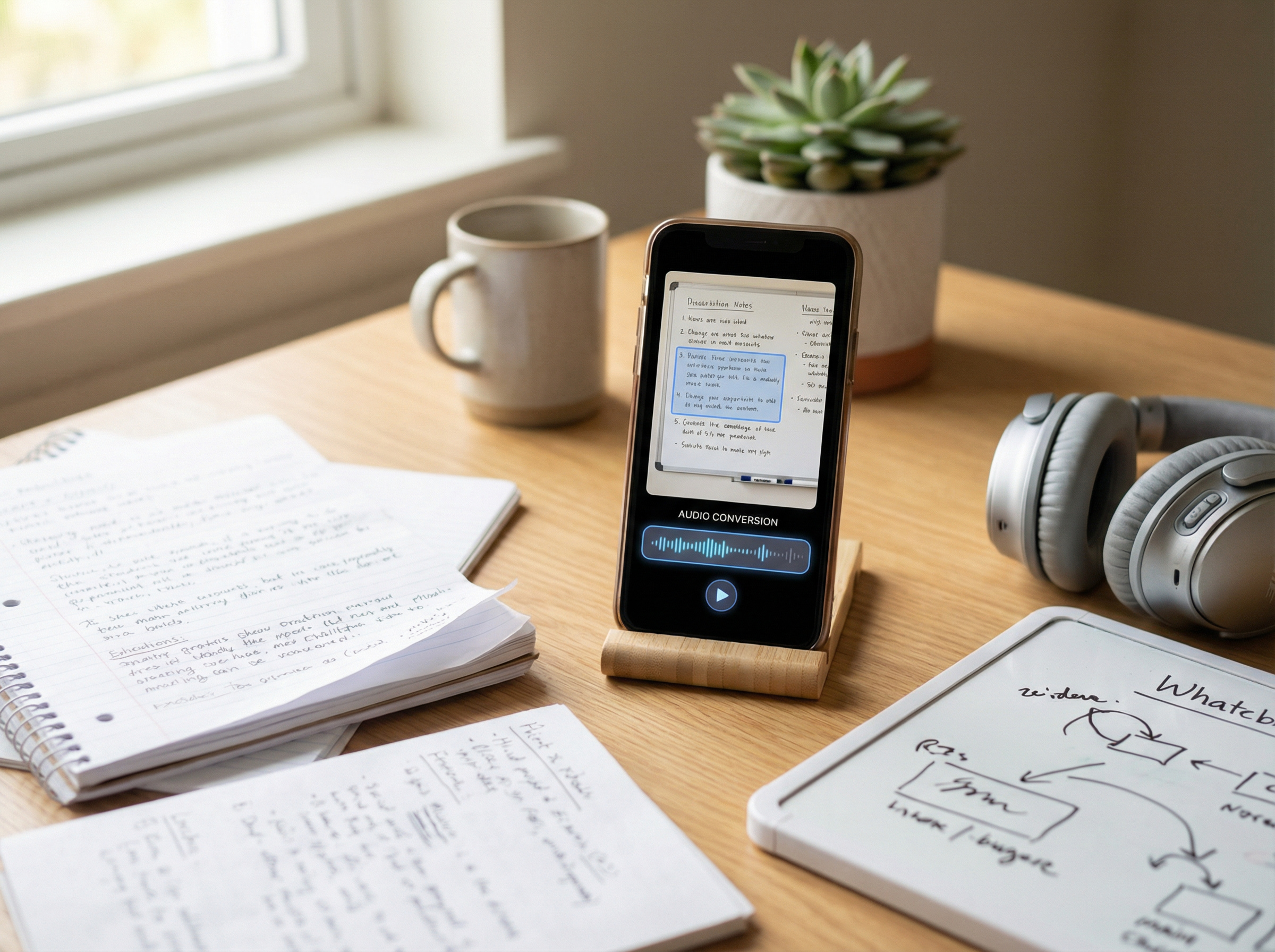
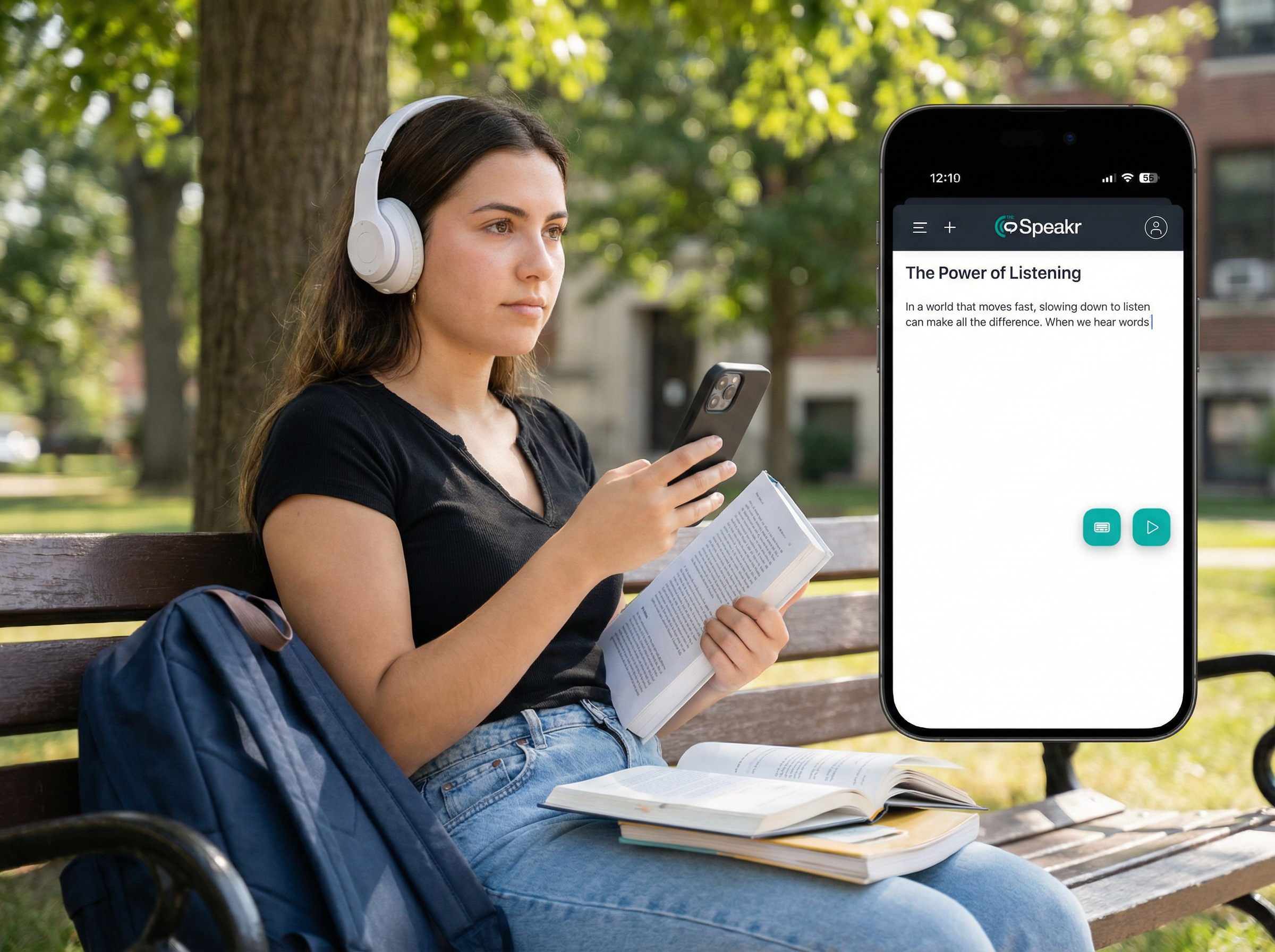
OCR-to-speech technology — the ability to turn images of text into spoken words — is changing how people interact with information. Originally developed as an assistive tool, it is now widely used in education, productivity, and even healthcare. With solutions like the image-to-speech application offered by Speakr, people can test the technology themselves. This article is based on recent research and real-world use cases of OCR-to-speech tools, including analysis of how these technologies are applied in accessibility, education, and healthcare.
Accessibility for Blind and Low-Vision Users
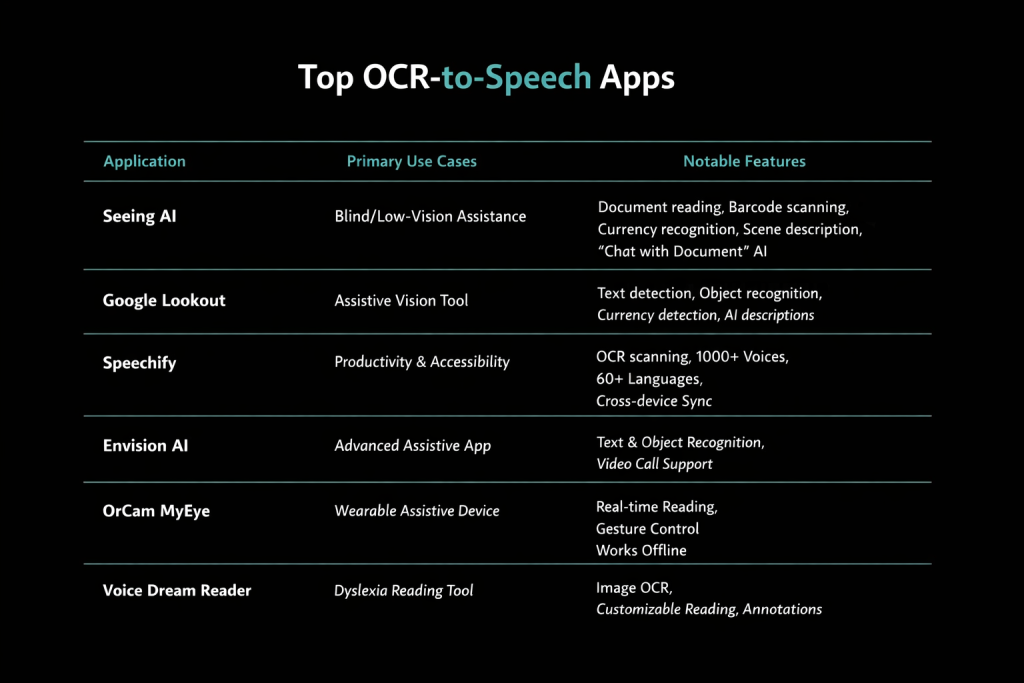
For those with visual impairments or partial blindness, the use of OCR-to-speech applications is like “interpreting” the world around us through our smartphones. Such programs as the Seeing AI or Google Lookout provided by Microsoft transform your phone into a live reader of text from emails, notices, documents, or items around you.
Microsoft’s Accessibility Blog states that while the Seeing AI was first launched in 2017 for Apple iOS, then the application became available for Android devices in 2023, adding 36 languages to 18 already existing, which greatly expanded its potential. It supports many useful features such as reading documents with voice instructions, barcodes scanning, identification of bills and coins, handwriting recognition, scenes or face descriptions. Users claim that they gain more independence from the help of these apps because they no longer have to ask anyone for assistance in finding needed information – from restaurant menus to their personal letters.
The OCR-to-speech application has become a “daily necessity” in our lives.
Support for Dyslexia and Reading Disabilities
OCR-to-speech is also groundbreaking for people living with dyslexia, ADHD, and other learning disabilities associated with reading. The technology helps ease the brainwork involved in decoding language while focusing on comprehension.
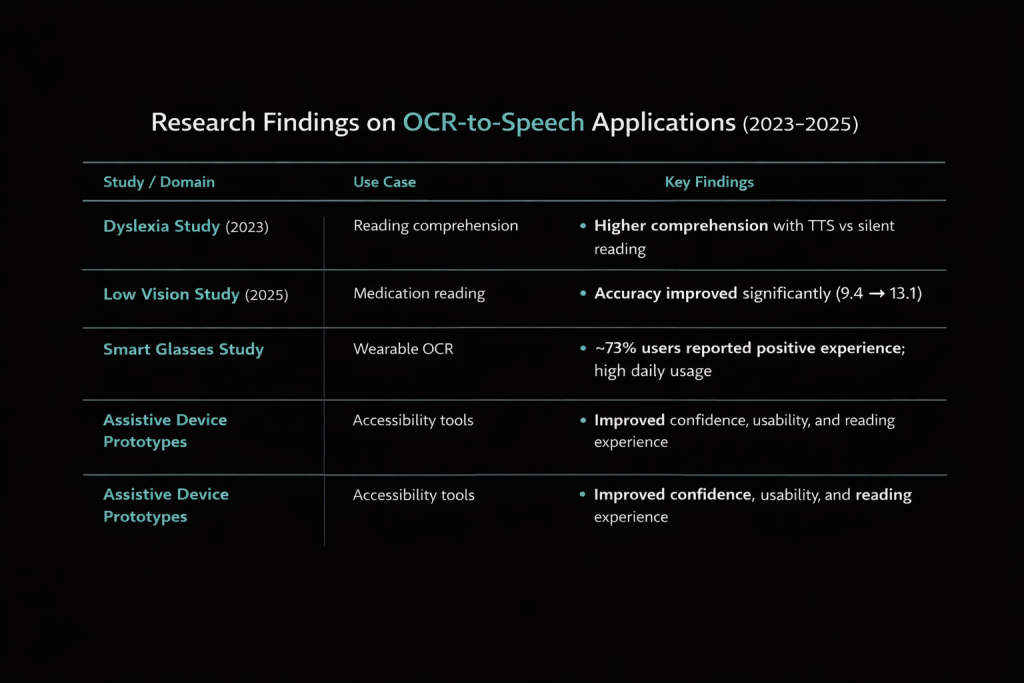
According to a study published in the Annals of Dyslexia in 2023, elementary schoolchildren between eight and twelve years old with reading disabilities had considerably higher comprehension scores with text-to-speech than with silent reading. The performance was exceptionally high for those with dyslexia. It is supported by cognitive theory, where decreased brain work on decoding increases mental capacity to comprehend the content.
The effectiveness is evident from adoption levels. For example, Speechify, one of the top text-to-speech applications, reported having more than 23 million users by the beginning of 2024, according to TechCrunch. Instead of being niche technology, OCR-to-speech tools have grown popular and can be seen in education and productivity areas. In practice, OCR-to-speech is now used in K-12 schools and universities to help students comprehend grade-level material.
Mobile Apps, Productivity Tools, and Daily Reading Aids
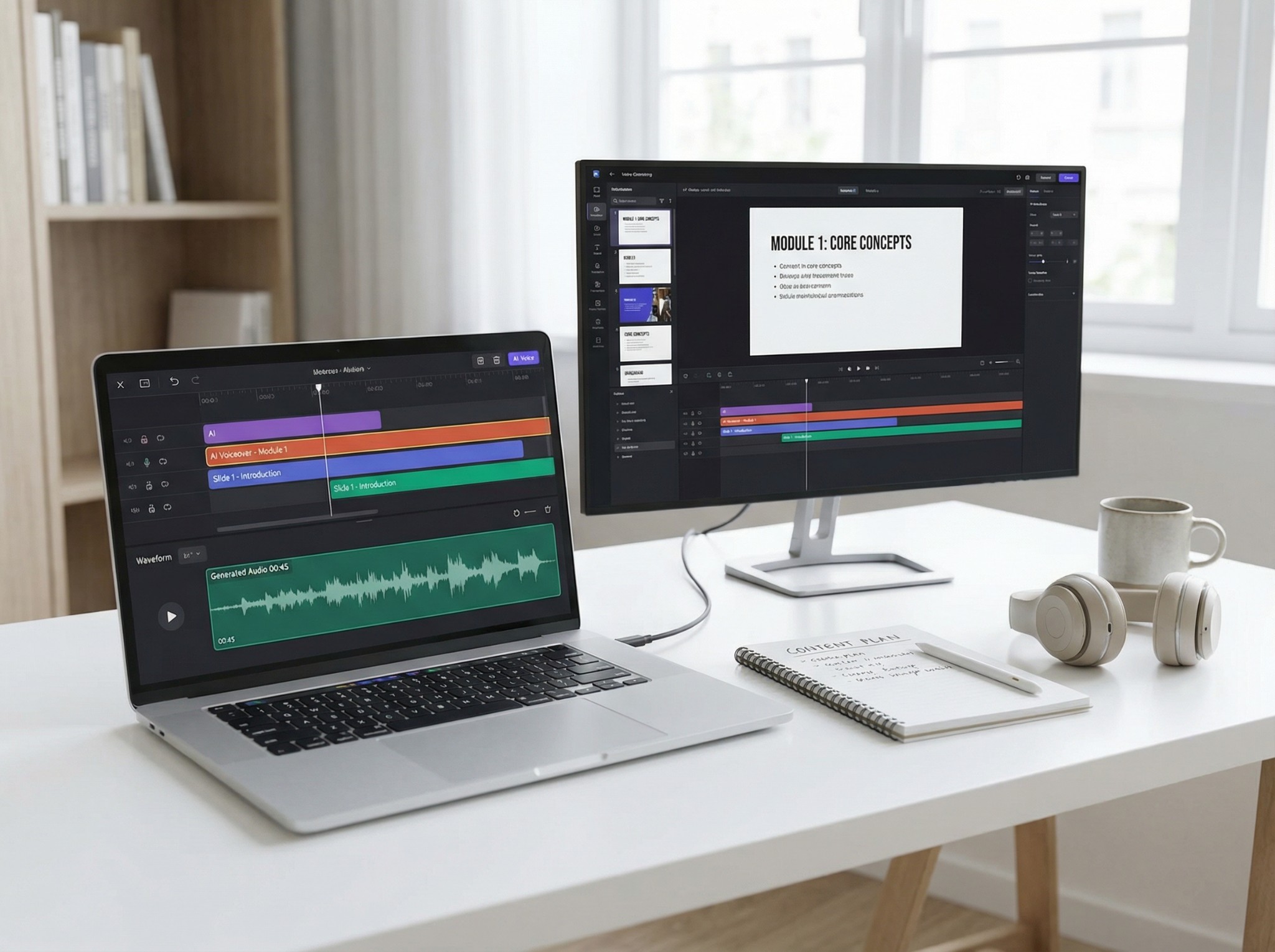
In addition to making documents more accessible, the OCR-to-speech technology is gaining popularity among productivity tools.
While professionals and students use text-to-speech software to listen to articles, emails, and papers while moving about or performing multiple tasks at once, OCR allows one to read printed text as an audio message.
Popular platforms have embraced this shift:
- Read-it-later apps like Pocket now include TTS features
- Media companies like The New York Times have launched audio-first experiences
- Cross-device workflows allow scanned text to be continued as audio elsewhere
Adoption Challenges and Market Reality
Though there may be considerable development, adoption is not widespread. Research reveals that only about 3.5% of blind individuals have adopted new technology in the span of two years due to reasons such as expense, learning, and even awareness. It is important to note that though technology itself may be advanced, usability and affordability are critical.
Companies are responding by:
- Offering free or freemium models
- Simplifying interfaces (e.g., one-click “listen” features)
- Expanding cross-platform availability
The main barrier is no longer capability — it’s adoption and usability.
Scientifically Optimal and Promising Use Cases
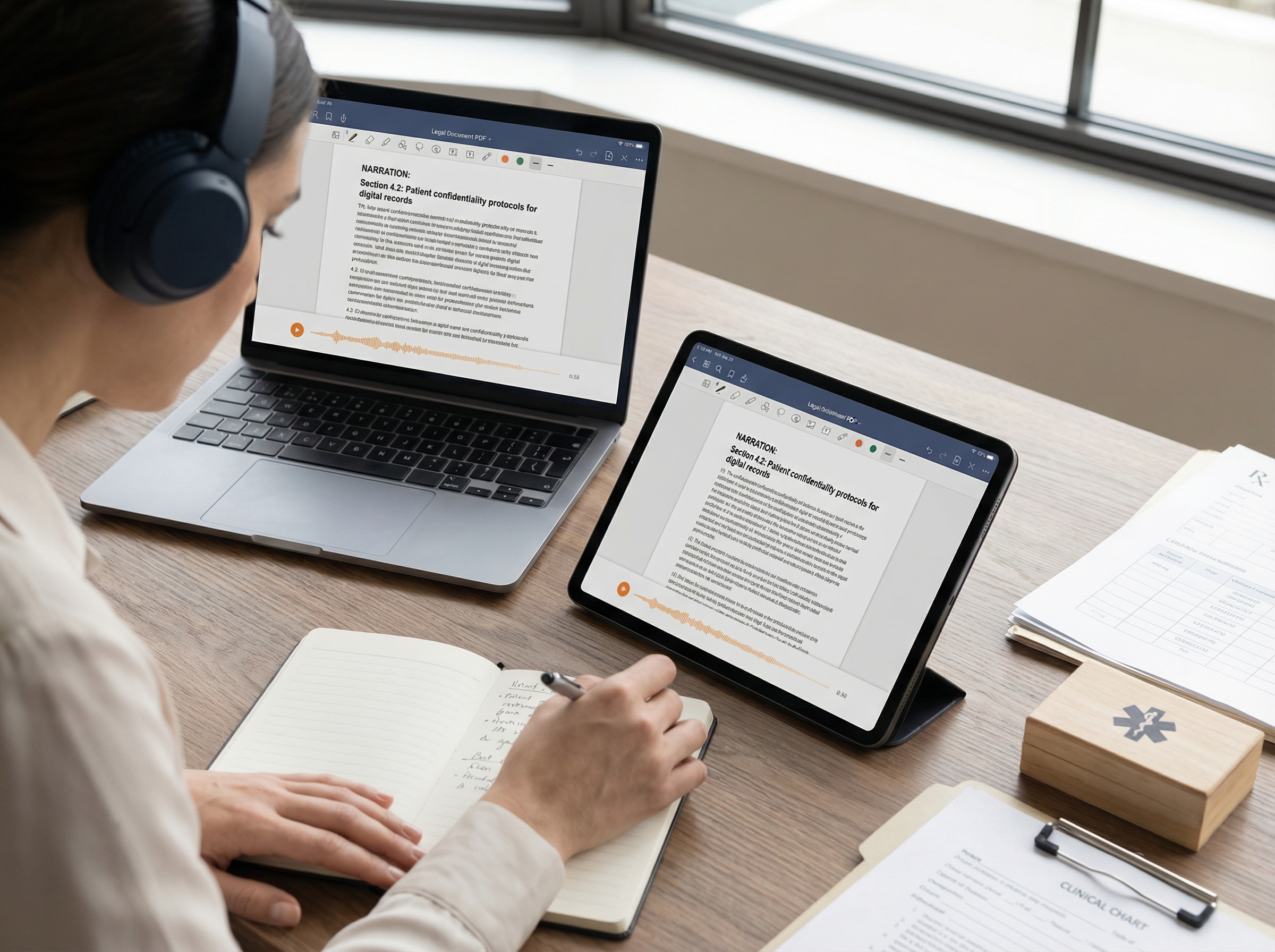
OCR-to-speech has many important uses, especially in the field of healthcare. People who have difficulty seeing have problems with comprehending medication instructions.
A 2025 clinical study on OCR use in low-vision patients found that OCR-to-speech software helped increase reading comprehension from 9.4 to 13.1. In addition, there was an improvement in the identification of medication with an increase in success. Though it took longer to do the task, there was a great increase in independence and task accomplishment.
OCR-to-speech enhances safety in dangerous settings such as healthcare.
Education, Literacy, and Cognitive Load Reduction
It is well documented that the use of text and speech improves comprehension. The earlier referenced study on dyslexia clearly demonstrates how text-to-speech improves comprehension, particularly in those individuals who have difficulty decoding texts.
Additionally:
- Dual-modality learning (seeing + hearing text) improves retention
- Cognitive load is reduced when decoding is automated
- Learners can focus more on meaning rather than mechanics
OCR-to-speech has demonstrated its potential to function effectively in low-literacy environments, thereby providing learning opportunities through the use of print material without requiring literacy.
OCR-to-speech improves learning efficiencies as well as access.
Human-Computer Interaction and Assistive Devices
OCR-to-Speech is also becoming a vital part of future interfaces. Devices like smart glasses enable the user to hear a description of their environment in real time without the use of a smartphone.
Research shows strong user demand for:
- Hands-free interaction
- Continuous environmental awareness
- Seamless integration into daily life
Future Trends: From Reading to Understanding
OCR-to-speech is now merging with advanced AI systems.
Instead of simply reading text, new tools can:
- Summarize documents
- Answer questions
- Extract key information
For instance, the updated editions of Seeing AI that let people “chat” with their scanned documents by posing queries and hearing responses aloud.
The future of OCR-to-speech technology lies in conversation and contextual awareness.
Bottom Line
What’s interesting is that OCR-to-speech is no longer just an accessibility feature — it’s becoming a default way to consume information.
It now delivers measurable impact across:
- Accessibility
- Education
- Productivity
- Healthcare
Science proves something we can see in the real world: it’s not just helpful but necessary to turn text into speech. With increasing sophistication of artificial intelligence, OCR to speech will become an integral part of interfacing with the outside world by allowing us to use any text in a useful way.